What Pool Restoration Actually Involves
Pool restoration covers a range of work depending on what your pool needs. At the surface level it might mean resurfacing the interior shell with a new plaster, quartz, or pebble finish. More involved work includes repairing cracks, replacing fittings and fixtures, updating the pool deck or coping, and modernizing the mechanical systems. The scope of what your pool needs is the single biggest driver of what restoration costs.
Before you can budget accurately, you need an assessment. A thorough inspection of the pool structure, interior finish, plumbing, equipment, and surrounding deck identifies what requires attention and what is still in good shape. This is where restoration projects differ significantly from one another, and why two pools of the same size can come in at very different investment levels.
Factors That Shape Inground Pool Restoration Cost in Toronto
There is no single answer to what pool restoration costs because projects vary enormously in scope and complexity. Here are the key variables that determine where your project lands.
Pool Type and Interior Material
Concrete, vinyl, and fiberglass pools each require different restoration approaches. Concrete pools offer the most flexibility when it comes to resurfacing options, including plaster, quartz aggregate, and pebble finishes. Vinyl pools typically need a full liner replacement. Fiberglass pools may require gel coat refinishing or a full interior overlay. The material of your existing pool shell sets the baseline for what restoration work is possible and what it involves. Our guide to concrete vs. vinyl vs. fiberglass pools in Toronto covers the differences in more detail.
Scope of Work
Surface-only restoration is significantly less involved than a full structural repair and systems upgrade. Common restoration tasks and their relative complexity include:
| Scope | What It Involves | Relative Complexity |
|---|---|---|
| Interior resurfacing only | New plaster, quartz, or pebble finish over existing shell | Lower |
| Coping and tile replacement | Removing and replacing the pool edge and waterline tile | Moderate |
| Structural crack repair | Epoxy injection, hydraulic cement, or full shell work | Higher |
| Equipment replacement | Pump, filter, heater, salt system, automation upgrades | Moderate to higher |
| Pool deck restoration | New patio surface, drainage, and coping around the pool | Higher |
| Complete restoration | Combination of the above, project-specific | Project-specific |
Condition of the Existing Structure
A pool with surface wear but a structurally sound shell is far less involved to restore than one with active leaks, significant cracking, or failing plumbing. If the inspection reveals underlying structural issues, those must be addressed before any cosmetic work begins. Resurfacing over structural problems leads to early failure of the new finish and a second round of work down the road.
Interior Finish Choice
The finish you choose for the interior of the pool has a meaningful impact on the overall investment and on longevity. Standard plaster is the most economical option. Quartz aggregate finishes offer improved durability and a richer appearance. Pebble aggregate finishes sit at the premium end, with excellent longevity and a natural, textured look that wears well in Toronto’s climate. Each finish has different maintenance requirements and lifespans, which is worth factoring into the decision alongside the upfront cost.
Pool Size and Shape
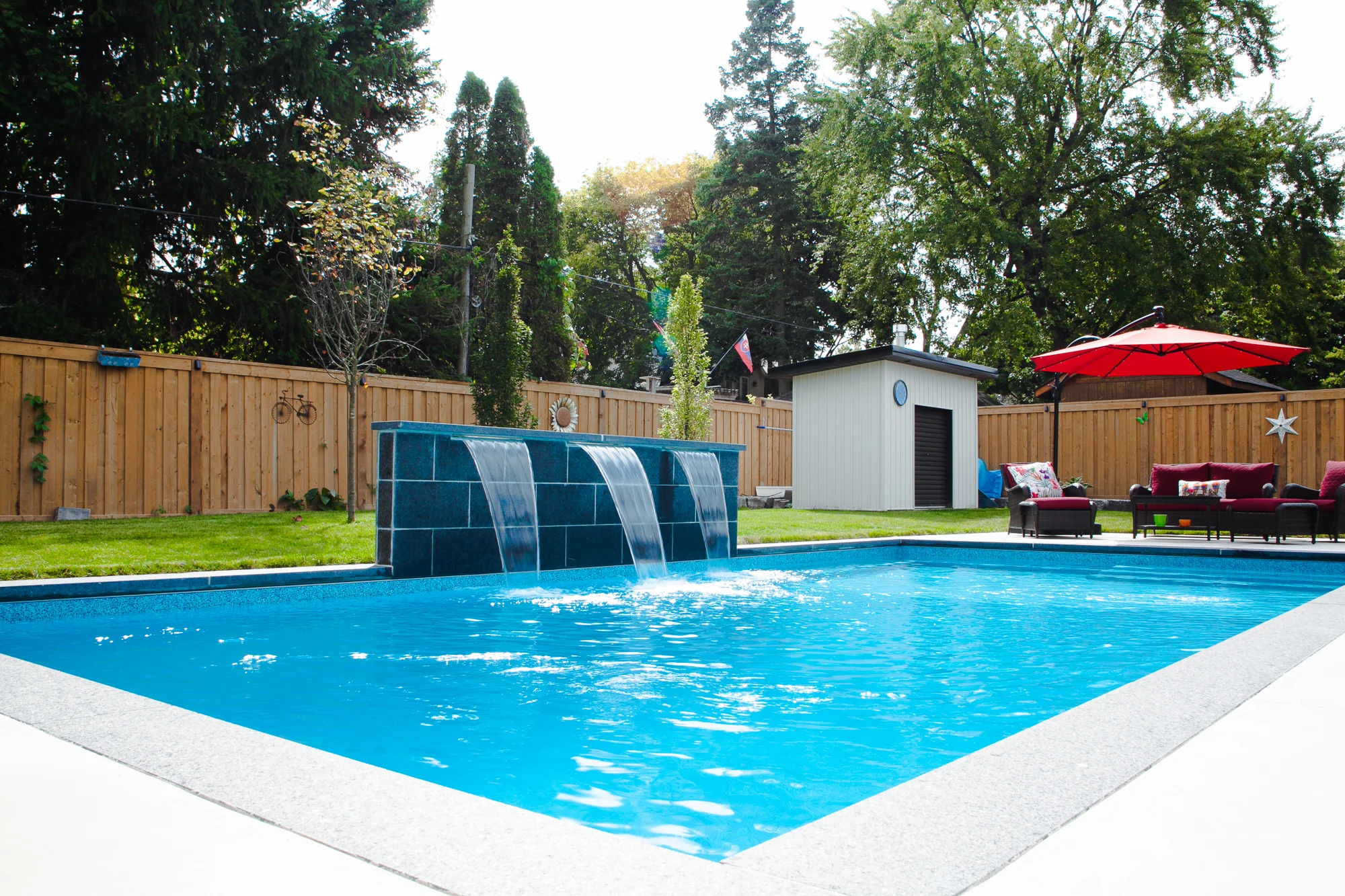
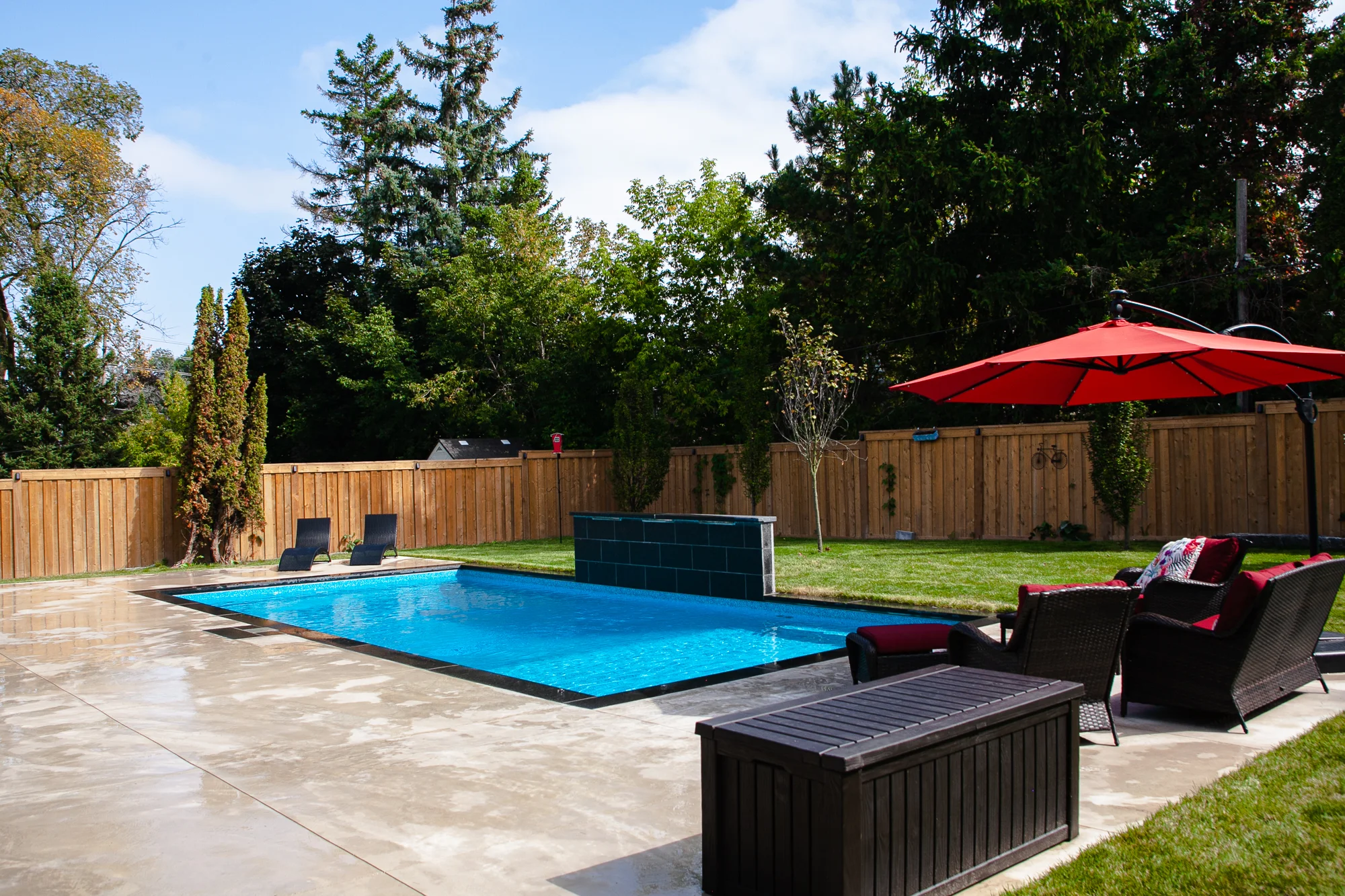
Larger pools require more material and more labour. Pools with complex shapes, multiple depths, or features like vanishing edges, tanning ledges, or attached spas add time and material to any restoration project. A straightforward rectangular pool is generally the most economical to restore. Each additional feature adds to the scope.
Pool Deck and Coping Condition
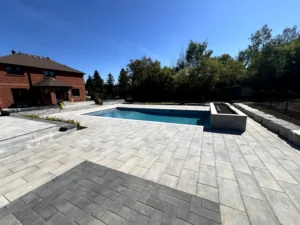
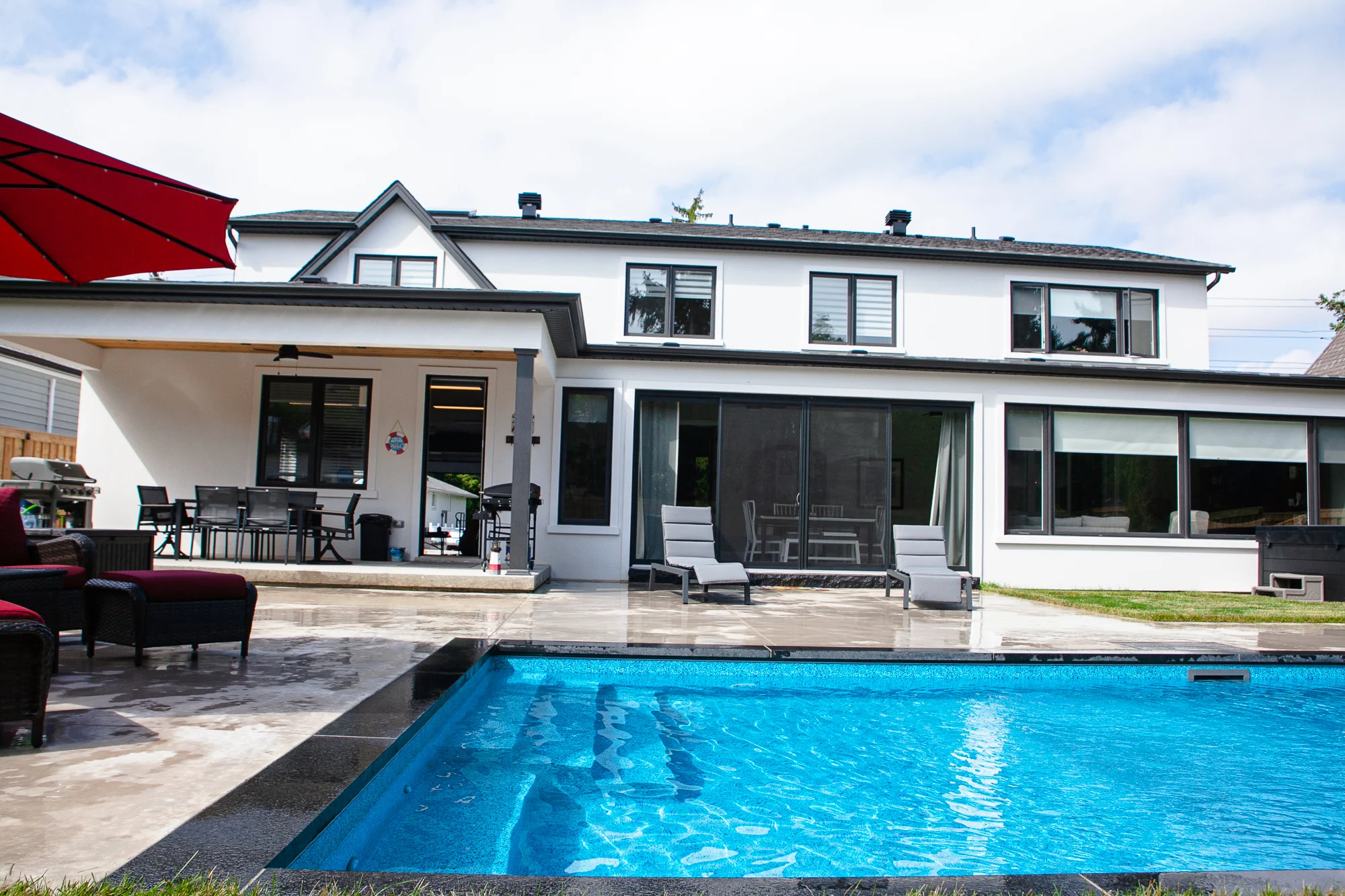
The pool deck and coping are often overlooked until a restoration project begins, at which point their condition becomes clear. Cracked, sunken, or spalling concrete around the pool adds scope if it needs to be addressed. Many homeowners use a full restoration as the opportunity to upgrade their pool deck at the same time, adding large-format stone, interlock, or a refreshed concrete finish that complements the new pool interior. When both are done together, the pool only needs to be drained once.
Site Access and Local Conditions
Pools in Toronto and South Mississauga backyards can present access challenges. Tight side yards, fencing, mature landscaping, or limited clearance for equipment all affect how work gets done and how long it takes. Difficult access adds time and sometimes requires specialized equipment or manual handling that standard projects do not.
Permits and Inspections
Depending on the scope of work, a permit may be required. Structural repairs, plumbing modifications, or electrical work associated with equipment upgrades can all trigger permit requirements. Your contractor should be able to advise on what requires permitting for your specific project and handle the application on your behalf. Our post on pool permits in Toronto covers the approval process in detail.
Timing and Seasonal Demand
Pool restoration work in Toronto is seasonal. Spring and early summer are in high demand as homeowners prepare for the season. Booking in the fall or winter often provides more scheduling flexibility. Planning ahead and securing your spot early is the most reliable way to ensure the pool is ready when you need it.
Restoration vs. Replacement: How to Think About It
If your pool is aging and requiring repeated repairs, restoration is often far more economical than starting over. A well-executed restoration can extend the life of a pool by 15 to 20 years depending on the finish chosen and the scope of work completed. Replacement makes more sense when the pool is structurally beyond repair, when the layout no longer suits your needs, or when you want to significantly change the size or shape.
Understanding the difference between restoration, renovation, and resurfacing helps set accurate expectations before you speak with contractors. Our post on pool renovation vs. restoration vs. resurfacing breaks down what each term means and when each approach applies.
Not sure where your pool stands? Our guide covering the signs your pool needs restoration walks through the warning signals Toronto and Mississauga homeowners should watch for each season.
Getting an Accurate Quote
Because restoration scope varies so widely, the only reliable way to understand what your project will cost is to have your pool assessed in person. A reputable contractor will walk through the pool with you, identify what needs attention, and provide a detailed quote that breaks the work down clearly.
Destination Pools and Landscaping specializes in pool restoration across Toronto and South Mississauga. Our team assesses each pool individually and works with homeowners to prioritize the work that makes the most sense for their pool and their goals. Contact us to arrange a consultation and get a clear picture of what your restoration involves.
Frequently Asked Questions
How long does inground pool restoration take in Toronto?
Timeline depends on scope. A straightforward interior resurfacing can be completed in one to two weeks. A full restoration involving structural repairs, new coping, equipment replacement, and a new pool deck can take several weeks. Your contractor should provide a clear timeline before work begins.
Does pool restoration require a permit in Toronto?
Not always. Surface resurfacing typically does not require a permit. However, structural repairs, changes to plumbing or electrical systems, or significant modifications to the pool shell or deck may trigger permit requirements. Your contractor can advise based on the specific scope of your project.
How long will a restored pool last?
A quality interior finish, properly applied, typically lasts between 10 and 20 years depending on the material chosen and how well the pool is maintained. Quartz and pebble finishes tend to outlast standard plaster. Proper water chemistry and regular maintenance extend the life of any finish significantly.
Can I restore my pool and update the deck at the same time?
Yes, and many homeowners find this is the most practical approach. Coordinating interior and exterior work with the same contractor means the pool is only drained and out of service once, and the finished result is cohesive. Destination Pools handles both pool restoration and custom deck installation, so the entire backyard transformation can be managed in one project.
What is the best interior finish for a Toronto pool?
Toronto’s climate puts any pool finish through its paces across cold winters and warm, chlorinated summers. Quartz and pebble aggregate finishes generally perform well in this environment, offering better stain resistance and durability than standard plaster. The best choice depends on your aesthetic preference, maintenance expectations, and the condition of your existing shell. A contractor can walk you through the options based on your pool’s specific situation.