Concrete vs Asphalt Driveways in Toronto: What Every Homeowner Should Know Before Choosing
Your driveway takes a beating in Toronto. Freeze-thaw cycles, road salt, heavy snowfall, and summer heat all work against the surface year after year. Choosing the right material from the start can mean the difference between a driveway that holds up beautifully for decades and one that needs constant patching and repairs.
Destination Pools and Landscaping is a Toronto-based outdoor living company with hands-on expertise in pool installation, hardscaping, and landscaping. Our team serves homeowners across Toronto and South Mississauga, from the first design conversation through to the final finish.
Two of the most common driveway materials in the GTA are concrete and asphalt. Both have real advantages, and both come with trade-offs worth understanding before you commit. This guide breaks down how each material performs in Toronto’s climate, what factors influence the overall investment, and what else to consider when planning your front yard.
Why Toronto’s Climate Makes Driveway Material Choice So Important
Toronto sits in a climate zone where temperatures swing from well below freezing in January to high heat and humidity in August. That range creates a demanding environment for any paved surface.
The single biggest threat to driveways in the GTA is the freeze-thaw cycle. Water seeps into small cracks or pores in a surface, freezes, expands, and then thaws. Repeat that process dozens of times over a single winter and small imperfections become large ones quickly. Add road salt to the equation and certain materials can experience accelerated surface deterioration.
Understanding how concrete and asphalt each respond to these stresses is the foundation of any smart decision.
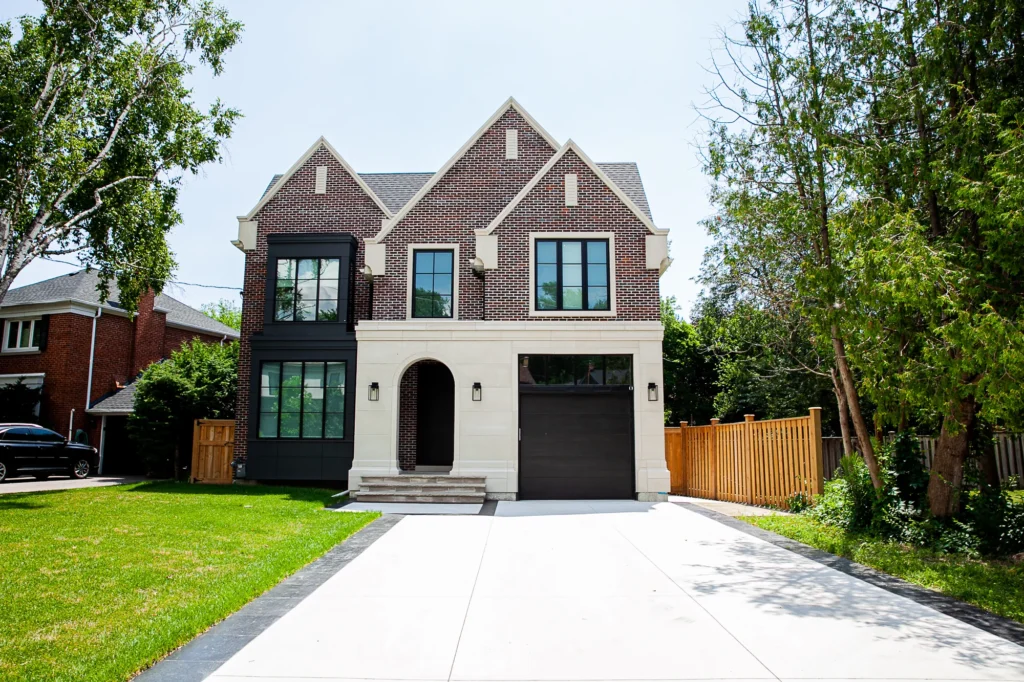
Concrete Driveways: Strengths and Weaknesses in the Toronto Climate
What Makes Concrete a Popular Choice
Concrete is a rigid, durable surface that can support heavy loads without deforming. When properly installed and sealed, a concrete driveway in Toronto can last 30 years or more with relatively modest upkeep. It holds its shape well in summer heat, which means you won’t see rutting or softening under parked vehicles during hot spells.
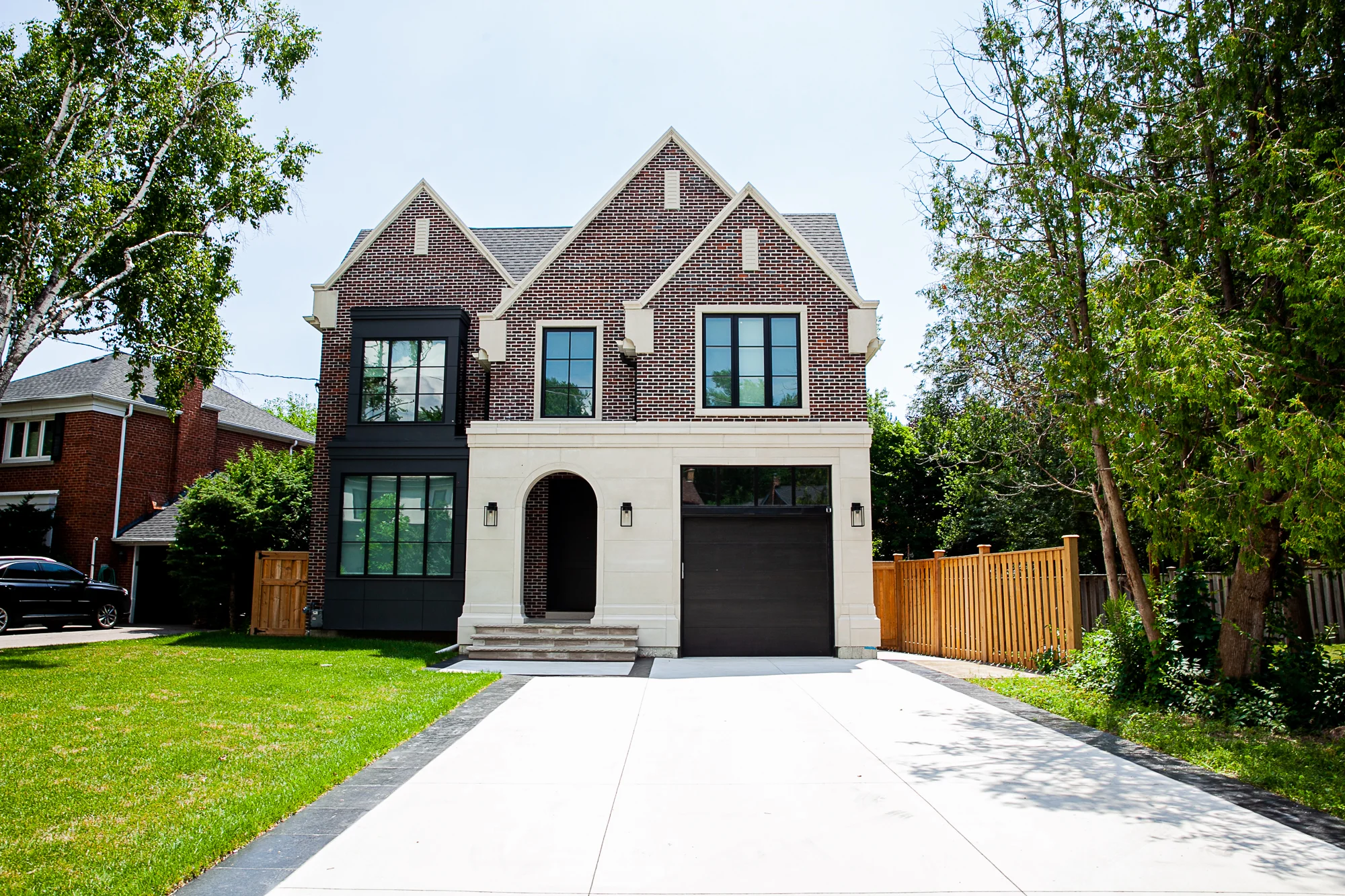
Concrete also offers significant design flexibility. It can be stamped, brushed, coloured, or exposed-aggregate finished, which makes it an attractive option for homeowners who want the driveway to complement the overall look of the property. A well-finished concrete driveway can meaningfully contribute to curb appeal and add to the impression your home makes from the street.
From a maintenance perspective, concrete requires relatively little attention when it is properly sealed. Sealing every few years helps prevent water intrusion and protects against salt damage, which is the material’s main vulnerability in a northern climate.
To learn more about installation options for your property, visit our concrete driveway installation Toronto service page.
Where Concrete Can Fall Short
The main vulnerability of concrete in Toronto winters is its sensitivity to de-icing salts. Chloride-based salts can penetrate the surface and cause scaling, spalling, and surface deterioration over time, particularly in the first few years before the concrete has fully cured. Homeowners who use sand instead of salt, or who opt for calcium magnesium acetate as a de-icer, typically see better long-term surface performance.
Concrete is also more difficult and costly to repair than asphalt when it does crack. Patches in concrete are highly visible and can be difficult to blend into the surrounding surface. For this reason, the quality of the original installation matters enormously. A properly prepared sub-base, correct mix design, and appropriate curing conditions are all critical factors in how a concrete driveway holds up over time.
The installation process for concrete also typically requires a longer curing period before the surface can be used, which means planning around a period of reduced access to your driveway.
Asphalt Driveways: Strengths and Weaknesses in the Toronto Climate
What Makes Asphalt a Popular Choice
Asphalt is a flexible material, and that flexibility is actually an advantage in a freeze-thaw climate. Because it can flex slightly rather than crack rigidly, asphalt tends to handle ground movement from frost heaving somewhat better than concrete in certain conditions.
Asphalt is also generally quicker to install and can be used sooner after installation than concrete. For homeowners working within tighter timelines, this can be a meaningful practical advantage.
When asphalt does develop cracks or surface wear, repairs and patching are relatively straightforward and blend more seamlessly into the existing surface than concrete repairs. Routine sealcoating every few years refreshes the appearance and extends the surface life significantly.
Asphalt also has a natural resistance to de-icing salts. The chlorides that can damage concrete surfaces do not have the same deteriorating effect on asphalt, which can make winter maintenance easier and less cautious for homeowners who rely on salt for safety.
Where Asphalt Can Fall Short
Asphalt’s flexibility becomes a liability in summer. In intense heat, asphalt can soften, and heavy vehicles parked in the same spot repeatedly can cause rutting or surface deformation over time. Toronto summers have become warmer, and this is worth factoring into long-term expectations.
Asphalt requires more frequent maintenance than concrete to stay in good condition. Sealcoating is typically recommended every 2 to 3 years, and prompt crack filling is important to prevent water infiltration and surface degradation. Homeowners who are diligent about this maintenance schedule will see their asphalt driveway perform well. Those who defer maintenance tend to see accelerated deterioration.
From a design perspective, asphalt offers much less flexibility than concrete. It comes in one colour and has a utilitarian appearance that not all homeowners prefer, particularly for higher-end properties where curb appeal is a priority.
Side-by-Side Comparison
| Factor | Concrete | Asphalt |
|---|---|---|
| Typical lifespan | 30+ years with proper care | 20–25 years with regular maintenance |
| Freeze-thaw performance | Good when sealed; vulnerable to salt scaling | Flexible; handles frost movement reasonably well |
| Summer heat performance | Strong; does not soften or rut | Can soften under intense heat; risk of rutting |
| Salt sensitivity | Moderate to high; use sand or alternative de-icers | Low; tolerates chloride-based de-icers well |
| Maintenance frequency | Seal every 3–5 years | Sealcoat every 2–3 years; crack fill as needed |
| Repair visibility | Patches are noticeable | Patches blend more easily |
| Design options | Stamped, coloured, brushed, exposed aggregate | Standard black surface; limited aesthetics |
| Curb appeal potential | High | Moderate |
| Time to use after install | Longer curing period required | Usable sooner after installation |
Factors That Affect the Overall Cost of a New Driveway in Toronto
Both concrete and asphalt involve a meaningful investment, and the final cost of either option depends on several variables specific to your property and project.
- Driveway size and shape: Larger or irregularly shaped driveways require more material and more labour. Long driveways, circular driveways, or those with curves are more involved than a simple rectangle.
- Sub-base preparation: The condition of the existing ground beneath the driveway matters enormously. Poor drainage, soft or unstable soil, or the need to remove an existing surface all add to the scope of work.
- Drainage planning: Toronto’s building requirements and best practices mean drainage must be considered carefully, especially near the property line or where runoff could affect neighbouring lots.
- Finishing and design choices: For concrete, decorative finishes such as stamping, colouring, or exposed aggregate add to the project scope but significantly elevate the final appearance.
- Access and site conditions: Properties where equipment access is limited, or where significant grading is required, will have different cost profiles than straightforward installations.
- Demolition of existing driveway: If an existing concrete or asphalt surface needs to be removed before the new one is installed, that is an additional consideration in the planning process.
Rather than comparing headline prices, the more useful question is which material delivers the best long-term value for your specific property, climate exposure, and aesthetic goals. A qualified contractor can walk through all of these variables with you.
Beyond the Driveway: Other Material Options Worth Knowing About
Concrete and asphalt are not the only options available to Toronto homeowners. Depending on the look and function you are after, other surfaces may be worth exploring as part of a broader front yard or property upgrade.
Interlock: Interlocking stone driveways offer exceptional design flexibility and can be repaired by replacing individual units rather than patching the full surface. They require more regular joint sand maintenance but are a popular choice for properties where aesthetics are a priority. See our interlock driveway and walkway installation page to explore this option.
Flagstone: For a natural, high-end appearance, flagstone is a distinctive option that works particularly well for front walkways and entry areas. Learn more about flagstone driveway installation in Toronto on our service page.
Heated driveways: For homeowners who want to eliminate snow shovelling and de-icing altogether, in-ground radiant heating systems can be installed beneath concrete or interlock surfaces. This is an increasingly popular option in Toronto given the harsh winters. Explore the details on our heated driveway installation page.
If you have been researching the interlock versus concrete debate specifically, our blog post on interlock vs concrete driveways in Toronto goes deeper on that comparison.
Thinking About the Full Property Picture
A driveway is often the first thing someone sees when they arrive at your home. But it rarely exists in isolation. How it connects to your front walkway, landscaping, and overall exterior design all contribute to the impression your property makes.
Many homeowners find that a driveway project naturally leads to a broader conversation about the front yard, side yards, or even the backyard. Retaining walls, landscape beds, lighting, and pathways all play a role in how cohesive and finished a property looks from the street. If you are already investing in a new driveway, it is worth considering how that investment fits into a larger vision for the property.
Our team works across all of these areas. Visit our landscaping services page to get a sense of the full scope of what we do, from hardscaping to full outdoor living transformations.
Which Material Is Right for Your Toronto Home?
There is no single right answer for every property. Both concrete and asphalt are proven, widely used materials in the Toronto market, and both can perform well when installed correctly and maintained appropriately.
Concrete tends to suit homeowners who prioritize longevity, design flexibility, and curb appeal, and who are willing to be careful with de-icing products in winter. Asphalt tends to suit homeowners who want a cost-effective surface that is forgiving in the freeze-thaw cycle, easy to repair, and straightforward to maintain with regular sealcoating.
The right choice depends on your property’s specific conditions, your long-term plans for the home, and the look you are trying to achieve. The best way to get a clear answer is to speak with an experienced local contractor who can assess your site in person.
Frequently Asked Questions
How long does a concrete driveway last in Toronto winters?
A properly installed and regularly sealed concrete driveway in Toronto can last 30 years or more. The key factors are sub-base quality, proper mix design, adequate sealing to protect against water and salt intrusion, and using sand or alternative de-icers rather than chloride-based salts during winter.
Is asphalt or concrete better for freeze-thaw climates like Toronto?
Both materials can perform well in Toronto’s freeze-thaw climate when installed correctly. Asphalt is flexible and tolerates ground movement better in some conditions, and it is less sensitive to de-icing salts. Concrete is more rigid and can crack under significant frost heave but holds up well when sealed and when salt use is minimized. Neither material is universally superior; the best choice depends on your property, preferences, and maintenance habits.
Can I use road salt on a concrete driveway in Toronto?
It is generally advisable to minimize chloride-based salt use on concrete driveways, especially in the first few years after installation when the concrete is still curing and most vulnerable to scaling. Sand, kitty litter, or calcium magnesium acetate are gentler alternatives. If you want to use de-icers more freely without concern, asphalt or interlock may be a more practical choice for your situation.
How often does an asphalt driveway need to be sealed in Toronto?
Most contractors recommend sealcoating an asphalt driveway every 2 to 3 years in Toronto’s climate. The first sealcoat is typically applied 6 to 12 months after installation. Regular sealcoating protects the surface from water infiltration, UV degradation, and chemical damage, and it refreshes the appearance of the driveway significantly.
What driveway material has the best curb appeal in Toronto?
Concrete generally offers the most design flexibility in terms of curb appeal, with options including stamping, colouring, brushing, and exposed aggregate finishes. Interlock and flagstone are also popular choices for higher-end properties where appearance is a top priority. Asphalt provides a clean, functional appearance but limited design variation. The best choice for curb appeal ultimately depends on the architectural style of your home and the overall property vision.
Ready to Plan Your New Driveway?
Whether you are leaning toward concrete, asphalt, interlock, or something else entirely, the Destination Pools and Landscaping team can help you think through the options for your property in Toronto or South Mississauga. We bring experience across all driveway and hardscaping surfaces, and we take a whole-property approach to every project, from the driveway to the backyard and everything in between.
Contact us today to start the conversation and get a custom quote for your driveway project.
To learn more about the team behind your project, visit our About Us page or head back to the Destination Pools homepage to explore our full range of pool and landscaping services for Toronto and South Mississauga homeowners.