Understanding the factors that shape a deck project helps you set realistic expectations, plan effectively, and make decisions that serve you well over the long term.
1. Deck Size and Configuration
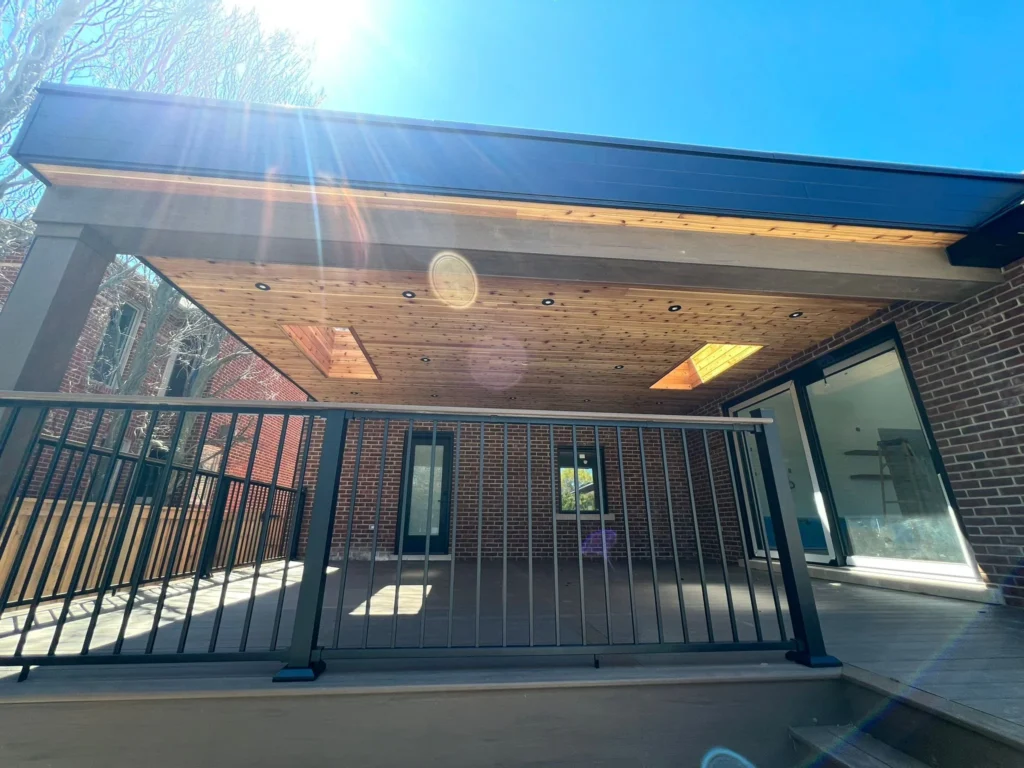
The overall footprint of the deck is the starting point for any project. A compact ground-level platform off the back door involves a very different scope of work than a multi-level deck with stairs, a pergola, and a built-in seating area. Both are valuable additions to a backyard, but they involve different levels of planning, materials, and labour.
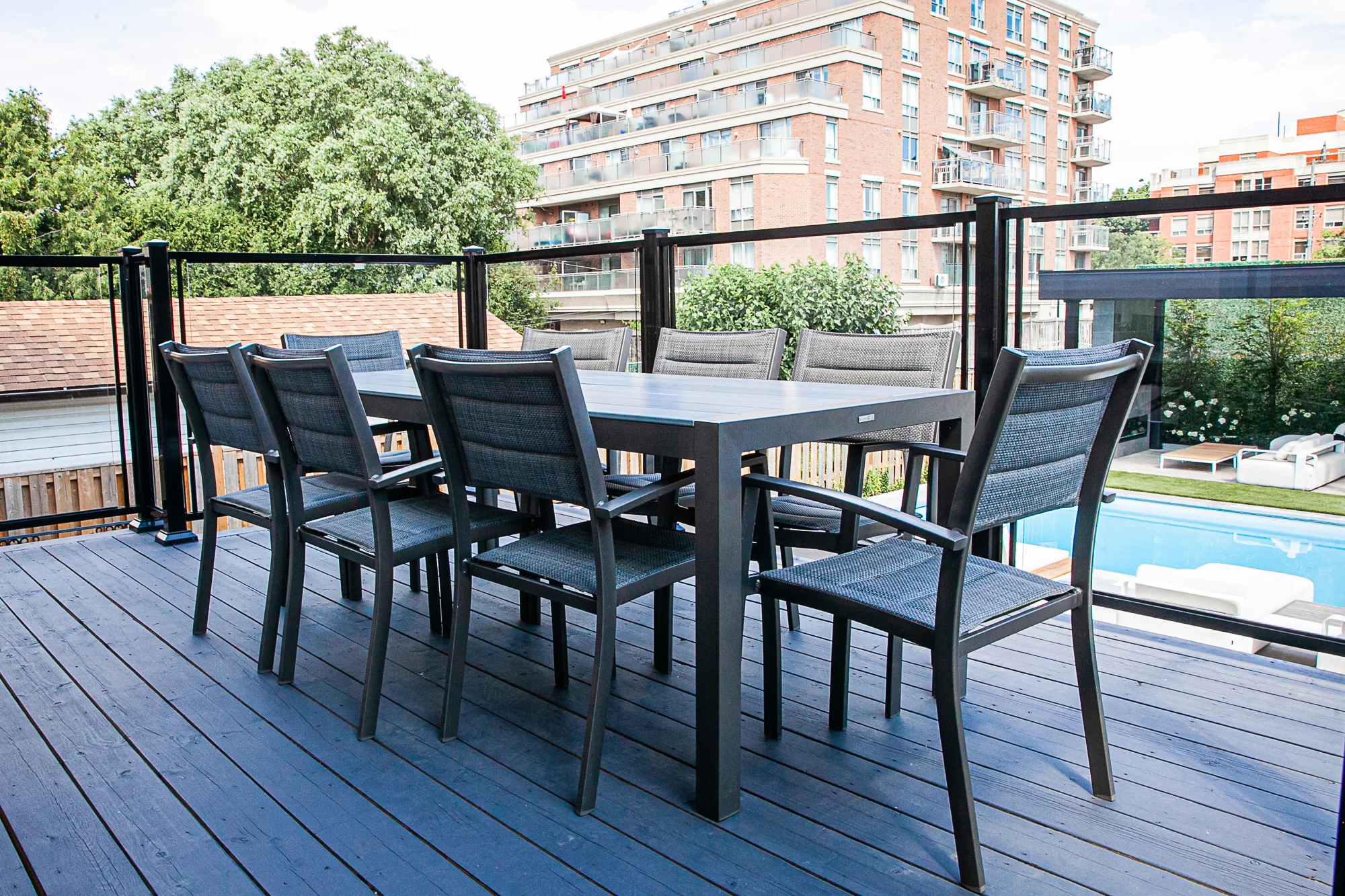
Common deck configurations in Toronto include single-level ground decks, elevated decks accessed from a second-floor door, multi-level decks that follow a sloped yard, and wraparound decks that extend along two sides of the home. Each adds functionality in a different way, and each carries its own structural requirements.
2. Deck Material
Material choice is one of the biggest variables in any deck project. It affects the look, the maintenance requirements, the lifespan of the deck, and the overall scope of the build. Toronto’s climate, with cold winters, hot summers, and significant moisture exposure, is an important consideration when choosing a deck material.
| Material | Appearance | Durability in Toronto | Maintenance Level | Lifespan |
|---|---|---|---|---|
| Pressure-Treated Wood | Natural wood look; can be stained or painted | Good when properly maintained | Moderate; staining every 2-3 years | 15-25 years |
| Cedar | Warm, premium natural wood look | Very good; naturally rot-resistant | Moderate; annual sealing recommended | 20-30 years |
| Composite Decking | Consistent colour and texture; wood-like appearance | Excellent; resists rot, fading, and moisture | Low; occasional cleaning only | 25-30+ years |
| PVC / Vinyl Decking | Clean, uniform appearance | Excellent; fully waterproof | Very low | 25-30+ years |
| Hardwood (Ipe, Tigerwood) | Premium, distinctive grain | Excellent when oiled regularly | High; annual oiling required | 30+ years |
3. Structural Requirements
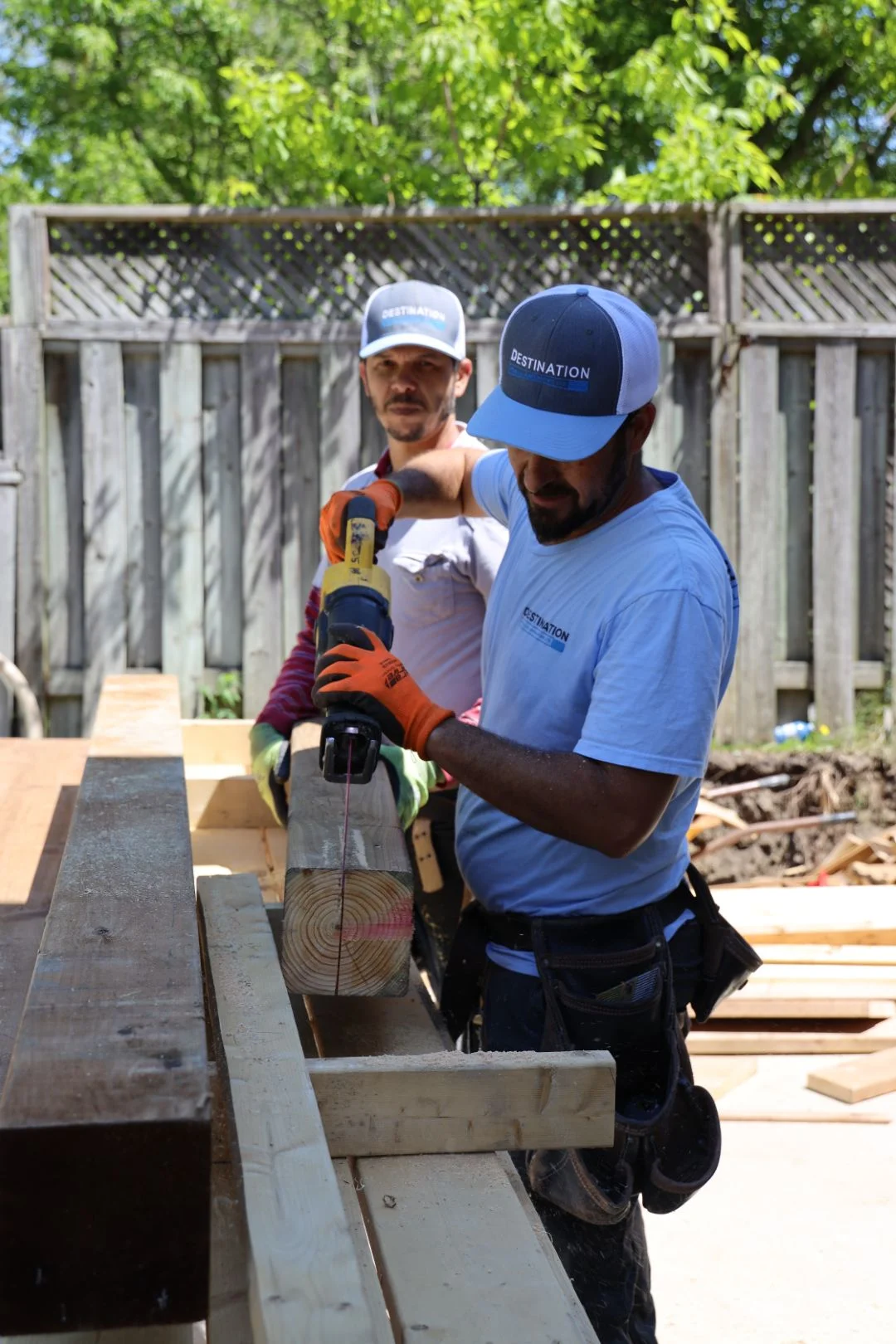
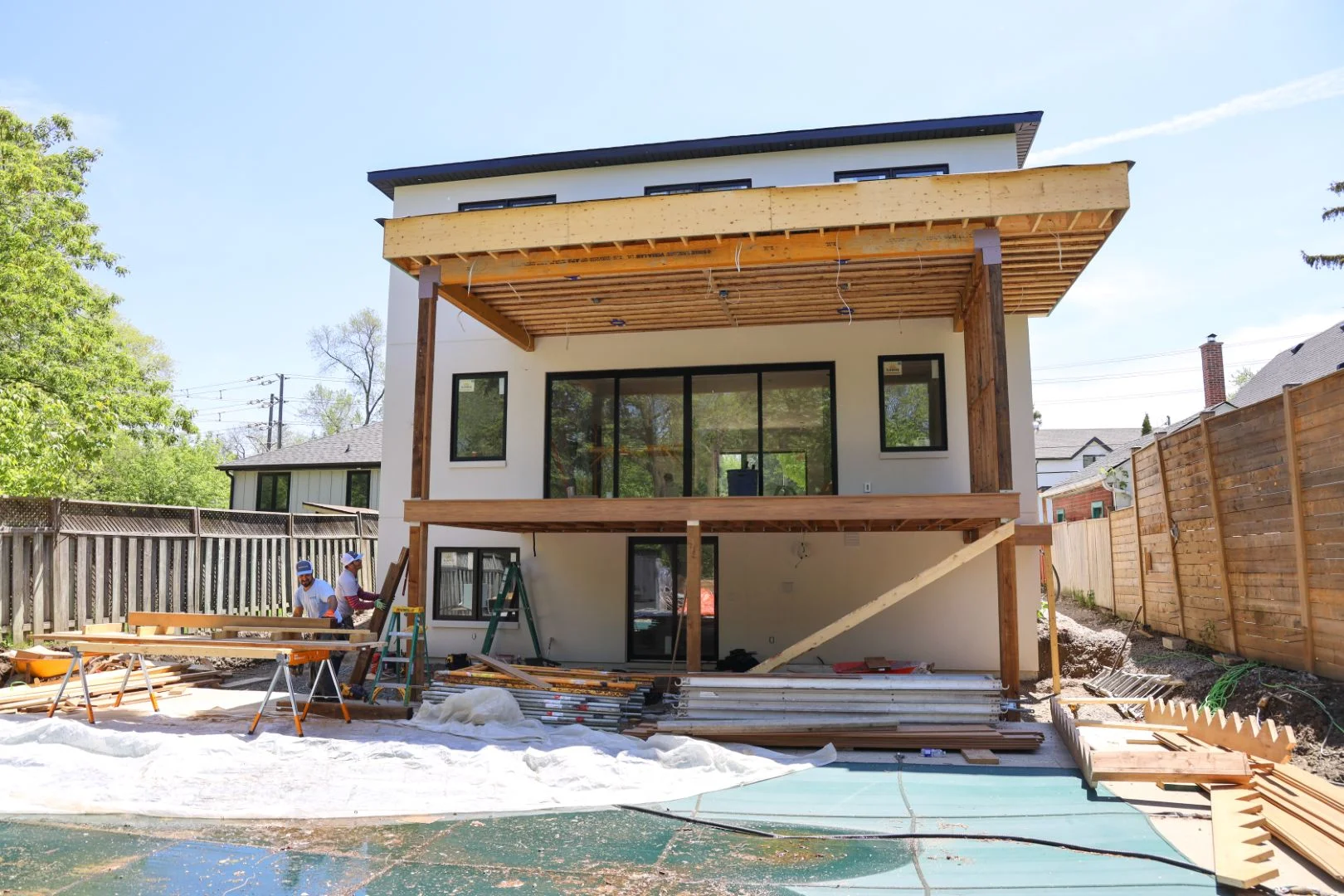
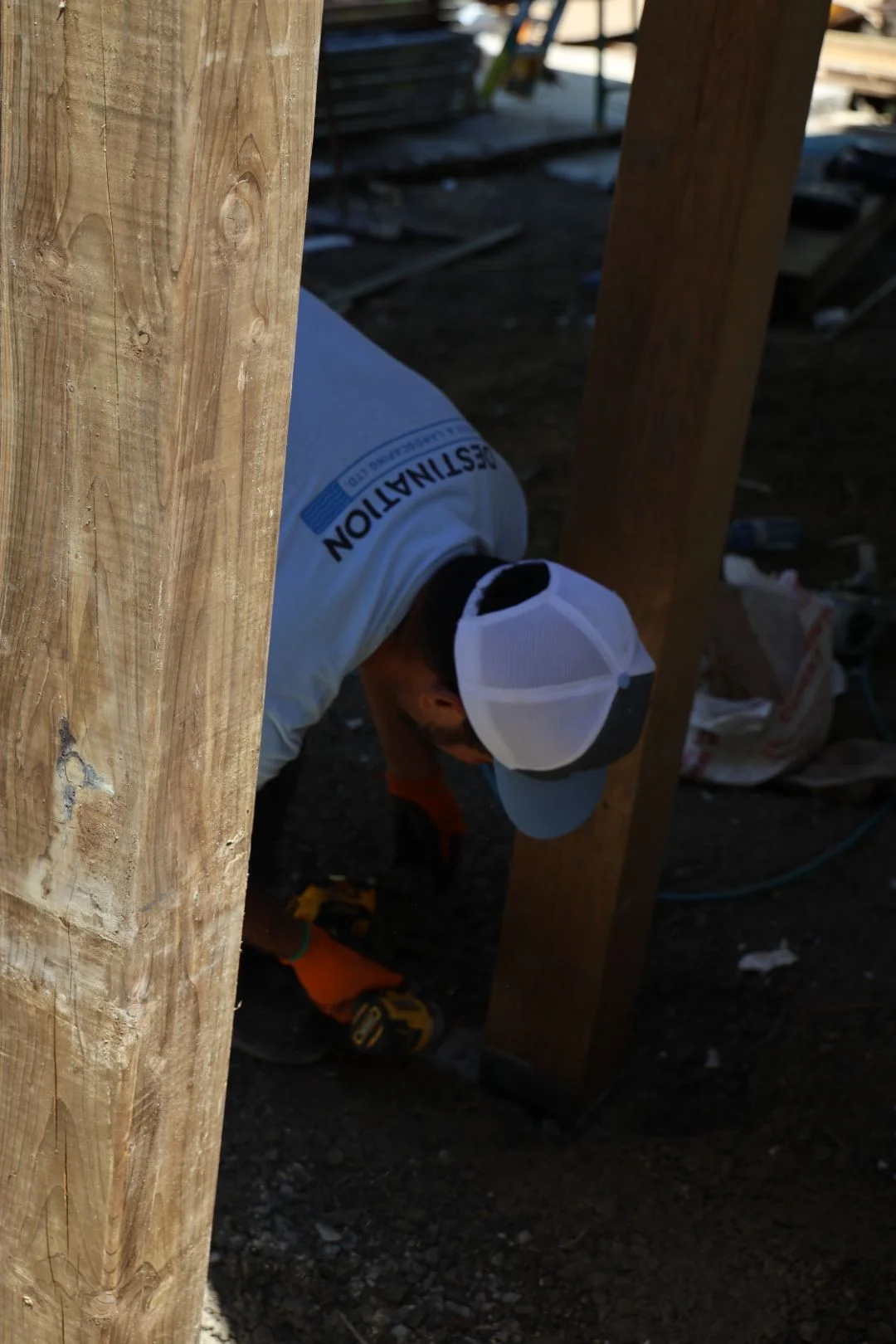
A ground-level deck sitting close to grade involves simpler structural work than an elevated deck. Elevated decks require footings that extend below the frost line, which in Toronto is approximately 1.2 metres. These footings anchor the deck against frost heave and ensure the structure remains level and stable over time.
The beam and joist sizing, post spacing, and connection hardware all need to meet Ontario Building Code requirements. A contractor who builds decks to code from the start protects you from problems during a future home sale inspection and ensures the structure is safe for the loads it will carry.
4. Features and Add-Ons
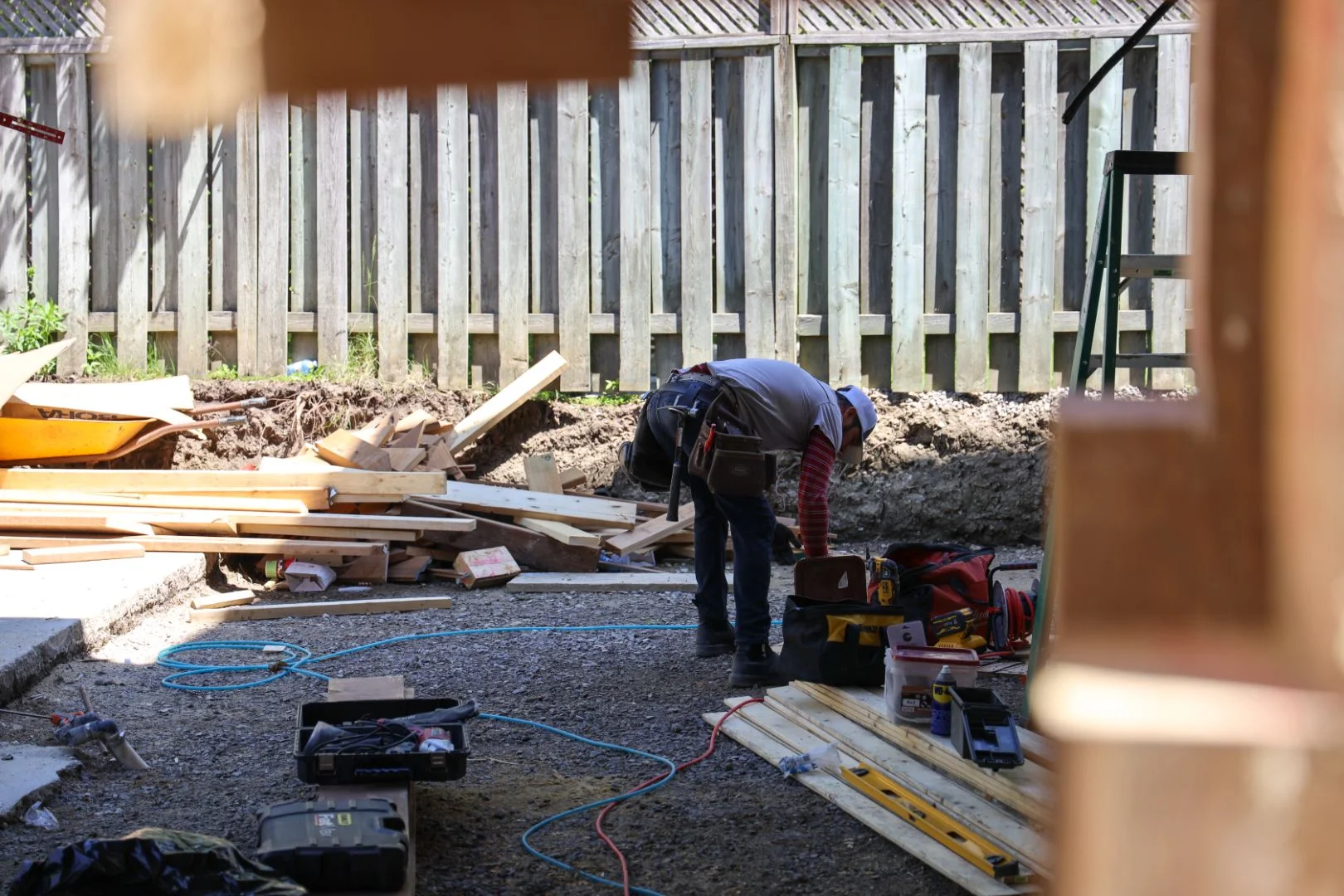
The base deck structure is often just the starting point. The features you add to the deck shape how functional and enjoyable the space is over the long term. Many of these are easiest to incorporate during the initial build rather than retrofitting later.
| Feature | What It Adds | Best Time to Add |
|---|---|---|
| Pergola or Shade Structure | Shade, definition, and visual anchor for the space | During initial build for best structural integration |
| Built-In Seating | Permanent seating that maximizes space on smaller decks | During initial build |
| Deck Lighting | Post cap lights, step lights, and under-rail lighting extend evening use | During initial build; wiring easiest before decking goes down |
| Privacy Screens | Visual separation from neighbours; improves the feel of the space | During or after initial build |
| Stairs and Landing Areas | Connects deck to yard and pool area | During initial build |
5. Permits in Toronto
In the City of Toronto, a building permit is required for any deck that is more than 600mm (about 24 inches) above grade, is attached to the house, or is larger than 108 square feet. Most residential decks that aren’t simple ground-level platforms will require a permit.
The permit process involves submitting structural drawings that demonstrate the deck meets Ontario Building Code requirements. A reputable deck contractor handles this process as part of the project. Building without a required permit creates issues at the time of a future home sale, when a real estate lawyer’s title search or a home inspection can flag unpermitted structures.
6. The Deck as Part of the Full Backyard
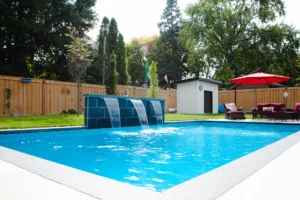
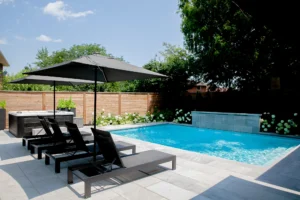
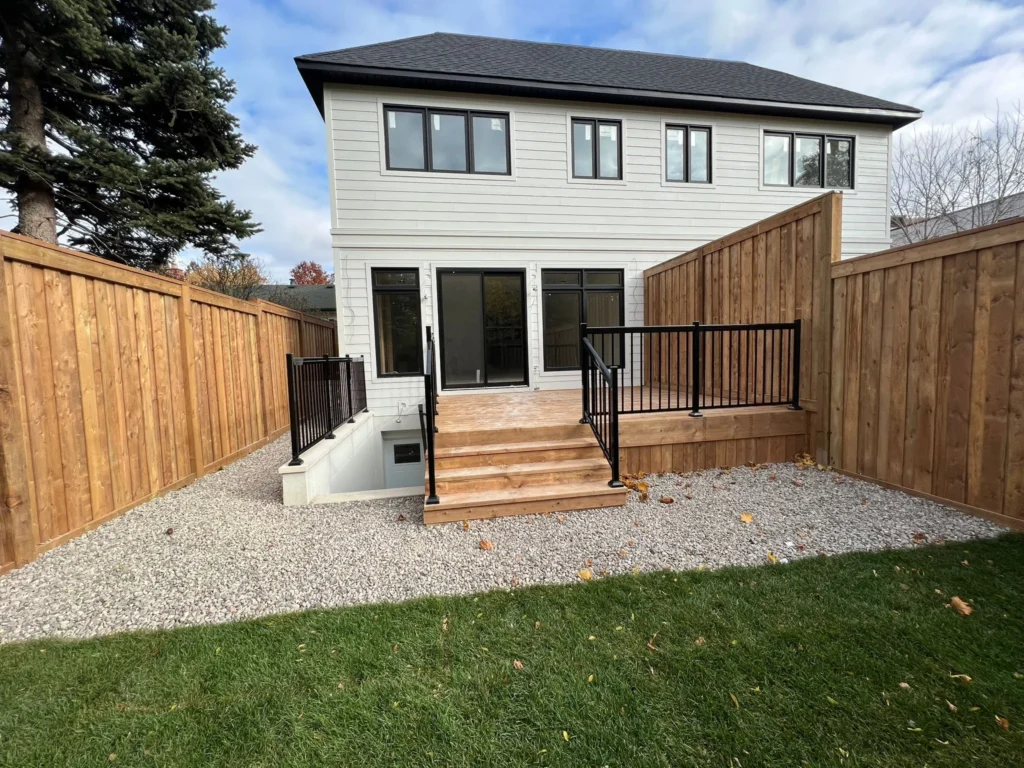
A deck works best when it’s designed as part of a complete backyard, not as a standalone platform. How the deck connects to the yard, relates to a pool or outdoor kitchen, and transitions to the surrounding landscaping all affect how the space functions and how it looks.
Planning the deck alongside a pool installation or outdoor kitchen allows the design to work as a unified space rather than elements added at different times that don’t quite align. Landscaping around the deck perimeter softens the edges and completes the outdoor living environment.
For design inspiration, our backyard ideas gallery shows completed projects that incorporate decks as part of full backyard transformations.
Frequently Asked Questions
Do I need a permit for a deck in Toronto?
Most decks in Toronto require a building permit. The threshold is generally any deck more than 600mm above grade, attached to the house, or larger than 108 square feet. Your contractor should confirm what’s required for your specific project and handle the permit application on your behalf.
What is the best decking material for Toronto’s climate?
There’s no single best material — each has trade-offs between upfront investment, maintenance requirements, lifespan, and appearance. Composite and PVC require the least ongoing maintenance in Toronto’s climate, while cedar and pressure-treated wood offer a natural look at a lower starting point. The right choice depends on your priorities for the space.
How long does a deck installation take in Toronto?
A straightforward single-level deck can typically be built in a few days to a week. Larger or more complex projects with multiple levels, pergolas, built-in features, or elevated structures take longer. Permit processing time is a separate consideration that should be factored into your planning timeline.
Can a deck be added onto an existing structure later?
Yes, decks can be expanded, though it’s more efficient to plan the full scope upfront. Adding a second level or a pergola to an existing deck may require reassessing the original structural footings to confirm they can handle the additional load.
How long does a composite deck last compared to wood?
Quality composite decking typically carries manufacturer warranties of 25 years or more and requires very little maintenance beyond occasional cleaning. Pressure-treated wood lasts 15 to 25 years with regular staining and sealing. Cedar falls in a similar range with proper care.
Ready to Build Your Backyard Deck?
A well-designed deck transforms how you use your outdoor space. Destination Pools and Landscaping builds custom decks for homeowners across Toronto and South Mississauga, designed to work with your yard, your home, and the rest of your backyard vision.
Get in touch to start the conversation about what’s possible in your space.