A retaining wall solves a structural problem and can significantly improve how a yard is used. On Toronto properties with any meaningful grade change, a well-built retaining wall levels usable outdoor space, manages drainage, and prevents soil movement. It’s also a feature that becomes part of the visual character of the yard when it’s done with quality materials and thoughtful design.
The investment for a retaining wall project in Toronto depends on several factors tied to your specific site. Understanding those factors helps you plan realistically and ask the right questions when talking to a contractor.
1. Wall Height and Length
The height and total run of the wall are the most direct drivers of scope. Taller walls require more material, deeper footings, and additional engineering to handle the lateral load of the retained soil. Longer walls simply require more of everything, from excavation to material to labour.
In Ontario, retaining walls over a certain height (generally 1.0 to 1.2 metres, depending on the jurisdiction) require a building permit and must be designed to meet structural requirements. Your contractor should flag when this threshold applies to your project.
2. Wall Material
The material selected for a retaining wall affects both the appearance and the long-term performance of the structure. In Toronto’s climate, all materials are subject to freeze-thaw stress, so the quality of the material and the installation approach matter as much as the material itself.
| Material | Appearance | Durability | Notes for Toronto |
|---|---|---|---|
| Segmental retaining wall block (e.g. Allan Block, Unilock) | Clean, consistent; many colour and texture options | Very good | Most common residential choice; engineered for freeze-thaw performance |
| Natural stone (fieldstone, limestone, granite) | Organic, distinctive; integrates well with naturalistic landscapes | Excellent when well-laid | Labour-intensive; no two walls look the same |
| Armour stone | Large-format natural stone; bold, structural appearance | Excellent | Typically placed with equipment; effective on larger grade changes |
| Poured concrete | Clean, modern; can be formed or textured | Very good with proper reinforcement | Requires reinforcement and drainage detailing; less common for residential |
| Treated timber | Natural wood look | Lower; degrades over time in wet conditions | Less common for new installations; shorter lifespan than masonry |
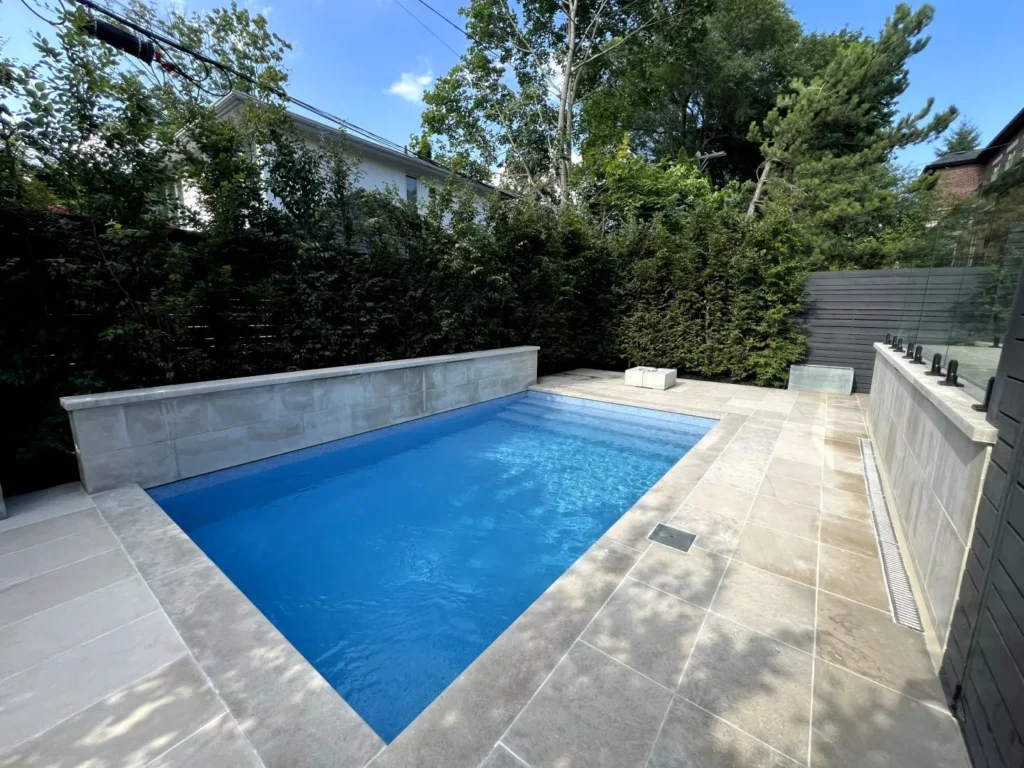
3. Drainage and Base Work
A retaining wall is only as good as the drainage behind it. Without proper drainage, water pressure builds in the retained soil over time, which places lateral load on the wall and can cause failure over time. Good retaining wall construction includes a compacted granular base, a drainage aggregate layer behind the wall, and weeping tile to direct water away.
Toronto’s clay soil retains water instead of letting it drain freely. This makes drainage detailing behind a retaining wall more important here than in areas with sandier soils. A contractor who understands local soil conditions will account for this from the start rather than leaving drainage as an afterthought.
4. Site Access and Excavation
The ability to get equipment into the yard affects how the work is done and how much manual labour is involved. Properties with tight access through a side yard gate or limited maneuvering room may require more hand excavation or smaller equipment, which affects the labour involved in the project.
Excavation depth also depends on the wall type and footing requirements. Taller walls and walls in frost-susceptible soil require footings that extend deeper to maintain stability through freeze-thaw cycles.
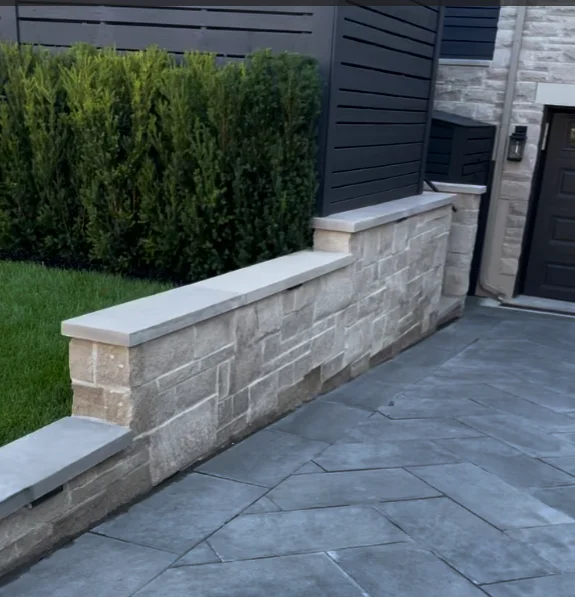
5. Permits and Engineering
Retaining walls above a certain height require a building permit in the City of Toronto. For walls that require a permit, engineered drawings may be needed to demonstrate the design meets structural requirements. A contractor who regularly builds retaining walls in Toronto will know when permitting is required and handle the process as part of the project.
Properties near ravines or in TRCA-regulated areas may have additional requirements. If your property backs onto a ravine or is near a watercourse, confirm with your contractor early in the planning process whether conservation authority approval is required.
6. Integration With the Landscape
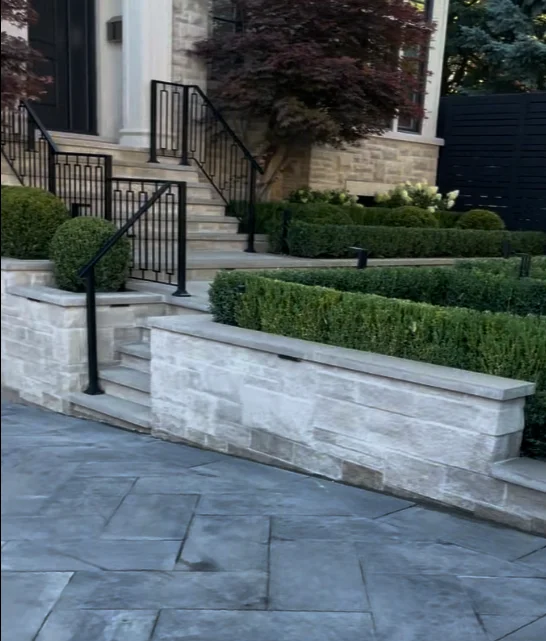
A retaining wall that is part of a full backyard design can do more than hold soil. It can define tiered outdoor living areas, create raised planting beds, frame steps between levels, and become a visual feature of the landscape rather than purely a structural element. When the wall is designed alongside the surrounding landscaping and hardscaping, the result is a yard where the different levels work together intentionally.
Retaining walls are often one component of a larger backyard project that may also include an interlock patio or walkway, a deck, or a pool. Planning all of these elements together produces a more cohesive finished yard and often allows the base work to be coordinated efficiently.
Frequently Asked Questions
Do retaining walls require a permit in Toronto?
Yes, in most cases when the wall exceeds a certain height (generally around 1.0 to 1.2 metres). The City of Toronto requires a building permit for walls above this threshold, and engineered drawings may be required. Your contractor should confirm what applies to your specific project based on wall height, location, and proximity to property lines or regulated areas.
How long does a retaining wall last?
A properly built retaining wall using quality materials with adequate drainage can last several decades. Segmental concrete block and natural stone walls typically outlast timber. The key factors for longevity are the quality of the base preparation, drainage behind the wall, and the material and installation method used.
What causes retaining walls to fail?
The most common causes of retaining wall failure are inadequate drainage, an undersized or poorly compacted base, and walls that weren’t designed to handle the actual lateral load. Freeze-thaw movement in Toronto’s climate amplifies these issues over time. A wall built with proper drainage, a solid compacted base, and material appropriate for the height will avoid most of these failure modes.
What is the best retaining wall material for Toronto?
Segmental retaining wall block and armour stone are the most common choices for Toronto residential projects. Both perform well in freeze-thaw conditions and offer long service lives when properly installed. Natural stone is a good choice for a more organic aesthetic. The right material depends on the wall height, the aesthetic of the yard, and the site conditions involved.
Can a retaining wall be built in winter in Toronto?
Most retaining wall work is done in the spring through fall construction season. Installing segmental block or natural stone in winter is possible in milder conditions but generally impractical during freeze-thaw periods when ground conditions are unstable. Planning a retaining wall project for the spring season is the most reliable approach.
Planning a Retaining Wall for Your Toronto Property?
Destination Pools and Landscaping builds retaining walls and complete backyard environments for homeowners across Toronto and South Mississauga. Whether you’re managing a grade change, creating tiered outdoor living areas, or integrating a wall into a larger backyard project, we can help you plan and build it properly.