
Flagstone vs. Interlock Driveways in Toronto: A Side-by-Side Comparison
If you’re planning a driveway upgrade in Toronto, two materials come up again and again: flagstone and interlock pavers. Both offer significant curb appeal improvements over plain asphalt or concrete, and both are well-suited to the demands of a Canadian climate. But they’re quite different products, with different aesthetics, installation methods, maintenance profiles, and long-term performance characteristics.
Destination Pools and Landscaping is a Toronto-based outdoor living company with hands-on expertise in pool installation, hardscaping, and landscaping. Our team serves homeowners across Toronto and South Mississauga, from the first design conversation through to the final finish.
This guide breaks down everything you need to know about flagstone and interlock driveways in Toronto, including how each material holds up through our freeze-thaw winters, what ongoing maintenance looks like, and how each fits into a broader backyard or landscaping vision. The goal isn’t to steer you toward one option, but to give you the information you need to have a confident conversation with your contractor.
What Is a Flagstone Driveway?
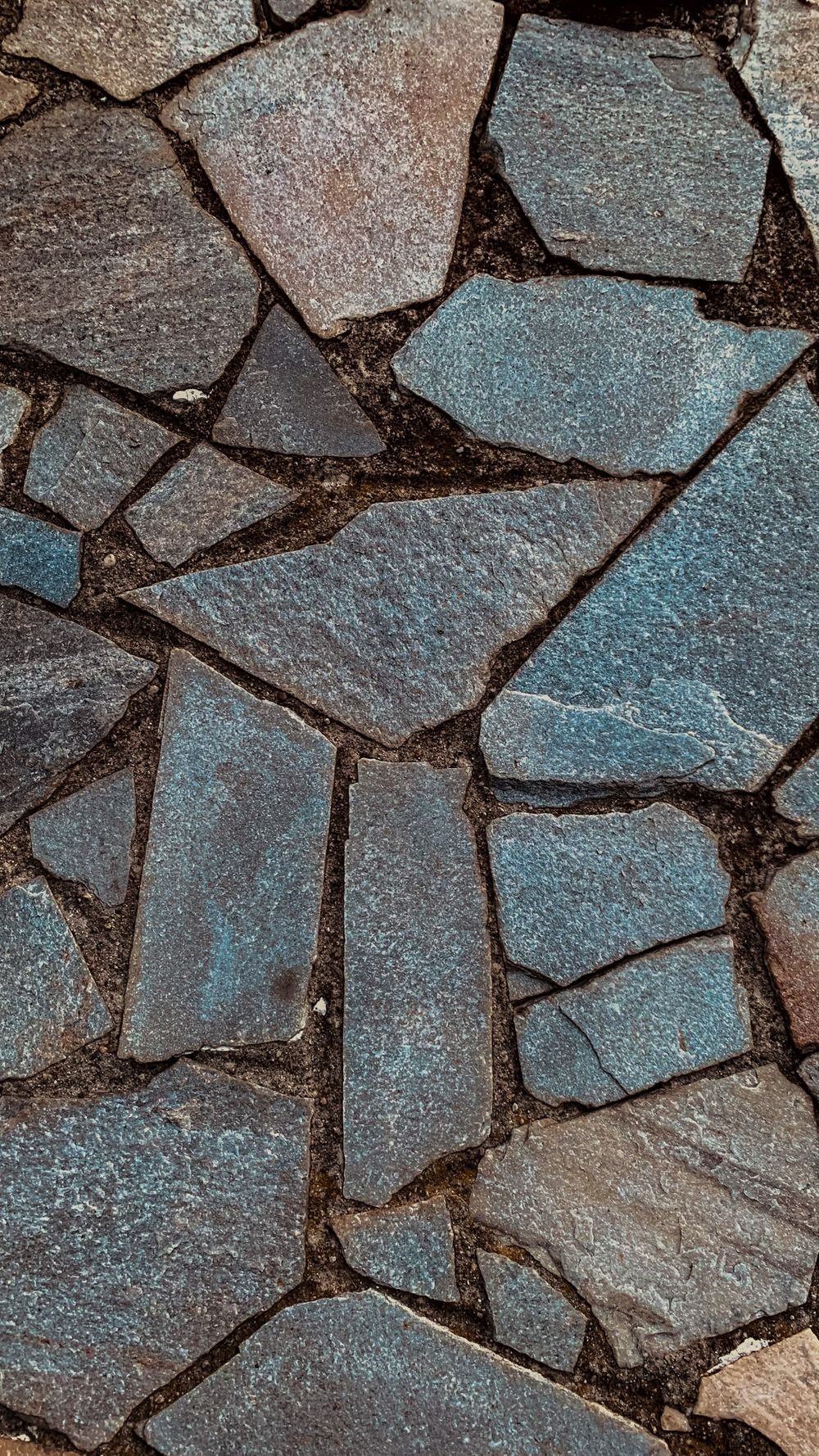
Flagstone is a broad term for flat, naturally quarried stone, typically limestone, bluestone, sandstone, or slate, cut or split into irregular or roughly rectangular slabs. When used in a driveway, flagstone pieces are set into a compacted base and often mortared in place or dry-set with tight joints filled with polymeric sand or gravel.
The appeal of flagstone is its organic, one-of-a-kind character. Because every piece is different, no two flagstone driveways look identical. It blends naturally into gardens and landscaped yards, making it a popular choice among Toronto homeowners who want their driveway to feel like a natural extension of the property rather than a utilitarian surface.
To explore flagstone specifically, visit our flagstone driveway installation page for details on materials, installation, and what to expect from the process.
What Is an Interlock Driveway?
Interlock driveways are built with manufactured concrete pavers. These individual units, typically rectangular or shaped, are laid in patterns over a compacted granular base. The name “interlock” refers to the way the pavers fit together, relying on friction and the surrounding edging to stay in place rather than mortar or adhesive.
Because interlock pavers are manufactured, they come in consistent shapes, dimensions, and a wide range of colours and finishes. This makes it much easier to achieve precise patterns, clean lines, and coordinated aesthetics with your home’s exterior. Interlock is one of the most popular driveway choices in Toronto and the GTA for good reason: it’s durable, versatile, and relatively straightforward to repair.
See our interlock driveway and walkway installation page for a full overview of what’s involved in an interlock project.
Head-to-Head Comparison: Flagstone vs. Interlock
The table below summarizes the key differences across the criteria that matter most to Toronto homeowners.
| Criteria | Flagstone | Interlock Pavers |
|---|---|---|
| Appearance | Natural, organic, unique variation in each stone | Uniform, patterned, wide range of colours and shapes |
| Material origin | Naturally quarried stone (limestone, bluestone, etc.) | Manufactured concrete pavers |
| Installation method | Dry-set or mortared on compacted base | Dry-laid on compacted granular base with edge restraints |
| Freeze-thaw performance | Dependent on stone type and installation quality; mortar joints can crack | Flexible base absorbs movement; individual pavers can shift but rarely crack |
| Road salt resistance | Some stones are porous and can be affected by salt over time | Good resistance; sealing improves longevity further |
| Repair ease | Matching natural stone can be difficult; repairs may be visible | Individual pavers can be lifted and replaced cleanly |
| Maintenance | Periodic sealing, joint re-sanding, weed control | Periodic sealing, joint re-sanding, occasional re-levelling |
| Design flexibility | Rustic and natural styles; less suited to modern/geometric layouts | Wide range of styles from traditional to contemporary |
| Longevity | Can last decades with proper installation and care | Can last decades with proper installation and care |
| Best suited for | Traditional, cottage, or garden-style homes | Most architectural styles; high design flexibility |
How Toronto Winters Affect Each Material
Toronto’s climate is one of the most important factors to consider when choosing a driveway material. We experience repeated freeze-thaw cycles throughout winter and early spring, significant snowfall, and widespread use of road salt and de-icers. Each of these stresses materials differently.
Flagstone in Toronto Winters
Natural stone is a strong material, but its performance in winter depends heavily on the type of stone and how it was installed. Some flagstone varieties are more porous than others, meaning water can seep into the surface, freeze, and expand. Over many seasons, this can cause spalling or surface flaking, particularly if lower-quality stone is used or if the installation did not include proper drainage.
Mortared flagstone joints are also vulnerable to freeze-thaw movement. As the ground expands and contracts, rigid mortar can crack, creating gaps that allow more water infiltration. Dry-set flagstone installations, where joints are filled with sand or gravel rather than mortar, are generally more forgiving because they allow some ground movement without cracking.
Road salt and chemical de-icers can be particularly harsh on softer flagstone varieties. Many contractors recommend using sand or fine gravel for traction instead of salt on flagstone driveways, and applying a quality sealer at installation and periodically afterward.
Interlock Pavers in Toronto Winters
Interlock pavers are purpose-built for the Canadian climate. The flexible, dry-laid base system is designed to accommodate frost heave: when the ground shifts, individual pavers can move slightly with it rather than cracking under the stress. In most cases, pavers that have shifted can simply be re-levelled in spring.
Manufactured concrete pavers used in interlock systems are typically dense and low-porosity, which helps resist water absorption and freeze-thaw damage. Many are also manufactured to resist salt exposure, though sealing is still widely recommended to protect the surface and the joint sand.
Snow removal is straightforward with interlock. A rubber-tipped snow blower or shovel works well without damaging the surface. Contractors often recommend against steel-edged plows directly on paver surfaces, though this is true of most decorative driveway materials.
If you’re interested in eliminating winter snow removal entirely, our heated driveway installation service covers radiant heating systems that can be integrated under both flagstone and interlock surfaces during installation.
Maintenance: What Each Material Requires
Flagstone Maintenance
Flagstone driveways require regular attention to joint material. Polymeric sand joints can erode over time, especially after heavy rain, and should be topped up periodically to prevent weed growth and maintain stability. Sealing helps protect the stone surface from moisture, salt, and staining, and most contractors recommend resealing every two to four years depending on traffic and exposure.
Weeds can take hold in flagstone joints more easily than in interlock systems, so a seasonal inspection and spot treatment is a normal part of upkeep. Any cracked or chipped stones should be addressed promptly, though matching new stone to weathered existing stone can sometimes be challenging, meaning repairs may be slightly visible.
Interlock Maintenance
Interlock driveways are generally considered low-maintenance compared to many alternatives, but they’re not maintenance-free. Joint sand will erode and should be replenished on a periodic basis. Sealing is recommended to protect the paver surface and lock in the joint sand, typically every two to four years.
One of the most appreciated features of interlock from a maintenance standpoint is the ease of repairs. If a paver cracks, shifts significantly, or if a utility line needs to be accessed beneath the driveway, individual pavers can be lifted cleanly and replaced. The repair is nearly invisible if the original pavers were retained from installation as spares.
Aesthetic Considerations: Matching Your Home’s Style
Both flagstone and interlock can look exceptional, but they tend to suit different architectural styles.
Flagstone’s natural irregularity gives it a warmth and character that pairs beautifully with heritage homes, cottage-style properties, and heavily landscaped yards. The organic variation in colour and texture creates a driveway that feels like it grew from the ground, rather than one that was placed on top of it. If your property leans toward a lush, garden-forward aesthetic, flagstone often integrates seamlessly.
Interlock, because it’s available in so many colours, sizes, and laying patterns (herringbone, basket weave, running bond, and more) is highly adaptable. Modern homes with clean lines and contemporary landscaping can be matched with large-format pavers in neutral tones for a sleek, polished look. Traditional red-brick-style homes often look beautiful with tumbled or aged-finish pavers that complement the existing architecture. The sheer range of options makes interlock one of the most versatile driveway materials available.
For more design inspiration on how your driveway connects to the broader landscape, our landscaping services page covers how we approach full-property design, from driveways and walkways through to gardens, retaining walls, and outdoor living spaces.
Integrating Your Driveway Into a Larger Project
A driveway rarely exists in isolation. For many Toronto homeowners, the decision about driveway material is part of a larger conversation about their property’s overall curb appeal and outdoor living vision. Both flagstone and interlock can be extended into walkways, front entry paths, and even backyard hardscaping, creating a cohesive look throughout the property.
If your project involves a driveway, front walkway, backyard patio, and landscaping all at once, choosing a consistent or complementary material language across those surfaces creates a much more polished result than treating each surface independently. Your contractor can help you understand which combinations work well together and how materials transition from the front of the property to the back.
It’s also worth noting that both flagstone and interlock driveways can be designed to incorporate heating systems. If cold winters and the effort of snow removal are significant factors in your decision, exploring a heated option during the planning stage costs far less than retrofitting one later. You can read more on our heated driveway installation page.
For a broader look at how driveway materials compare against other options, including poured concrete, our post on interlock vs. concrete driveways in Toronto covers that comparison in detail.
Frequently Asked Questions
Is flagstone or interlock more durable in Toronto’s climate?
Both materials can last for decades when installed correctly. Interlock pavers are specifically engineered to handle freeze-thaw cycles through their flexible base system, which allows the surface to accommodate ground movement without cracking. Flagstone durability depends more heavily on the specific stone type and installation method. Dense, low-porosity stones set on a well-prepared base perform very well. Either way, proper installation is the single biggest factor in long-term durability.
Which is easier to repair if something goes wrong?
Interlock is generally easier to repair. Individual pavers can be lifted and replaced without disturbing the rest of the surface, and the repair is typically invisible if you kept spare pavers from the original installation. Flagstone repairs are more involved because matching natural stone to weathered existing stone can be difficult, and repairs may be slightly noticeable depending on how well the new stone blends with the aged surface.
Does road salt damage flagstone or interlock driveways?
Salt and chemical de-icers can affect both materials over time, particularly more porous stone varieties. For flagstone, using sand or fine gravel for traction rather than salt is often recommended, along with a quality surface sealer. Interlock pavers tend to have good resistance to salt, and sealing further improves that resistance. Many homeowners with premium driveways choose to avoid harsh chemical de-icers altogether, opting for sand or heated driveway systems instead.
Can either material be used for walkways and patios as well as driveways?
Yes, both flagstone and interlock are widely used for walkways, front entry paths, patios, and backyard hardscaping. Using the same or complementary material across multiple surfaces creates a cohesive, well-designed look. This is a conversation worth having early in the project planning stage so the overall design flows naturally from the front of the property through to the backyard.
How do I decide between flagstone and interlock for my Toronto home?
The right choice depends on your home’s architectural style, your aesthetic preferences, your maintenance comfort level, and the broader scope of your project. A detailed consultation with an experienced contractor is the most reliable way to get a recommendation tailored to your property. A site visit allows the contractor to assess drainage, grade, access, and how the driveway connects to the rest of your landscaping, all of which influence which material makes the most sense.
Ready to Explore Your Options?
Choosing between flagstone and interlock is a meaningful decision, and the right answer looks different for every property. Whether you’re drawn to the natural warmth of flagstone or the design flexibility and easy repairability of interlock pavers, Destination Pools and Landscaping can help you think through the options in the context of your home and your goals.
We work with homeowners throughout Toronto and the GTA on driveway installations, walkways, and full-property landscape transformations. If you’re planning a driveway project, we’d love to visit your property and talk through what’s possible.
Contact Destination Pools and Landscaping to schedule a consultation and get started on your custom outdoor living project.
To learn more about the team behind your project, visit our About Us page or head back to the Destination Pools homepage to explore our full range of pool and landscaping services for Toronto and South Mississauga homeowners.